

Abstract
Mario Batali was once one of the most recognizable names in the culinary world, celebrated for his Italian cooking, bestselling cookbooks, award-winning restaurants, and popular television appearances. His influence helped introduce authentic regional Italian cuisine to millions of Americans while inspiring a new generation of chefs. However, his remarkable success was overshadowed by allegations of sexual misconduct that dramatically changed his career and public image. Today, Batali’s story represents both extraordinary professional achievement and a cautionary tale about accountability, leadership, and personal conduct. Understanding his journey offers valuable insight into how talent, business success, and reputation can shape—and ultimately redefine—a lasting legacy.
Who Is Mario Batali?
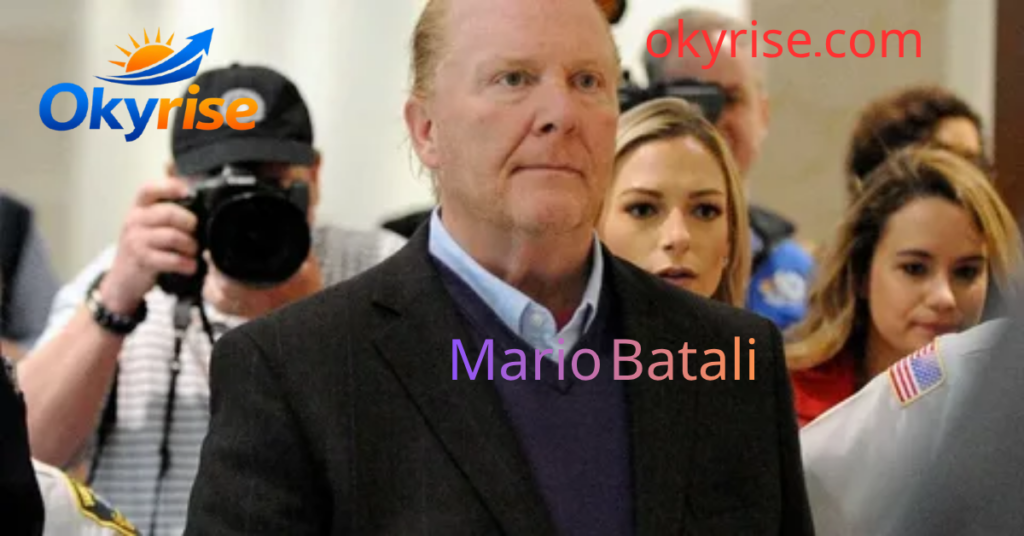
Mario Batali is an American celebrity chef, restaurateur, cookbook author, and television personality who became one of the most influential figures in modern Italian cuisine. Born on September 19, 1960, in Seattle, Washington, Batali developed an appreciation for food at a young age. His family’s love for cooking and travel introduced him to authentic Italian traditions that later became the foundation of his culinary philosophy. Rather than simply recreating familiar dishes, Batali focused on showcasing the regional diversity of Italy’s food culture, emphasizing fresh ingredients, traditional techniques, and simple yet flavorful recipes.
Mario Batali: August Manning Weatherly: The Life of a Private Celebrity Child
After graduating from college, Batali enrolled at Le Cordon Bleu in London but soon realized that hands-on experience offered greater value than classroom instruction alone. He left culinary school and trained under experienced chefs before spending time in a small Italian village where he immersed himself in local cooking traditions. That experience transformed his understanding of authentic Italian cuisine and gave him the confidence to develop his own distinctive cooking style.
Throughout the 1990s and early 2000s, Batali became one of America’s most recognizable chefs. His trademark orange Crocs, energetic personality, and deep knowledge of Italian food helped him stand out in an increasingly competitive culinary industry. Beyond cooking, he built a reputation as an educator who explained ingredients, history, and cooking methods in ways that everyday home cooks could understand. His influence extended far beyond restaurant kitchens, making him one of the defining culinary personalities of his generation.
Early Life and Culinary Beginnings
Mario Batali’s culinary journey began long before he opened successful restaurants or appeared on national television. Growing up in Washington State, he was exposed to diverse food traditions that encouraged curiosity and experimentation. Family meals often emphasized quality ingredients and shared experiences, helping him appreciate food as more than simple nourishment. These early influences sparked an interest that continued throughout his education and eventually shaped his professional ambitions.
Although Batali briefly attended Le Cordon Bleu, he quickly realized that practical kitchen experience offered lessons that formal education could not fully provide. He worked in several respected kitchens before traveling to Italy, where he spent years learning directly from local cooks and chefs. Living in the northern Italian village of Borgo Capanne proved especially important because it allowed him to experience regional cooking traditions firsthand. Instead of relying on textbooks, he learned recipes through observation, repetition, and daily practice.
That immersive experience became the cornerstone of Batali’s future success. He discovered that authentic Italian cuisine varied dramatically from one region to another, with local ingredients influencing flavors, techniques, and traditions. This understanding distinguished him from many American chefs who focused only on well-known Italian-American dishes. By embracing genuine regional cooking, Batali developed a culinary identity that felt both authentic and accessible. His commitment to preserving traditional recipes while presenting them to American audiences would later become one of the defining characteristics of his career.
The Rise to Celebrity Chef Status

Mario Batali’s rise to fame accelerated during the late 1990s as America’s interest in celebrity chefs continued growing. In 1998, he opened Babbo Ristorante e Enoteca in New York City with business partner Joe Bastianich. The restaurant quickly earned widespread praise from critics and diners, establishing Batali as one of the country’s leading Italian chefs. Babbo combined refined Italian cooking with a welcoming atmosphere, proving that fine dining could remain approachable without sacrificing quality.
Television soon expanded Batali’s influence far beyond restaurant guests. Programs such as Molto Mario introduced millions of viewers to authentic Italian recipes, cooking techniques, and culinary history. His relaxed teaching style, enthusiasm, and unmistakable personality made complex dishes feel achievable for home cooks. Unlike many television personalities who focused primarily on entertainment, Batali emphasized education, encouraging audiences to understand why ingredients and traditional methods mattered.
His growing popularity opened countless new opportunities. Batali published bestselling cookbooks, expanded his restaurant empire, appeared on additional television programs, and collaborated with leading chefs around the world. By the mid-2000s, he had become one of the most influential figures in American food culture. His restaurants received prestigious awards, his books reached international audiences, and his television appearances made him a household name. At the height of his career, Mario Batali represented culinary excellence, entrepreneurial success, and the growing popularity of authentic Italian cuisine across the United States.
Building a Restaurant Empire and Business Success
Mario Batali’s success extended far beyond his skills in the kitchen. As his reputation grew, he transformed himself from a talented chef into a successful entrepreneur. Working closely with restaurateur Joe Bastianich, Batali opened several acclaimed restaurants in cities including New York, Las Vegas, Los Angeles, and Singapore. Each new location reflected his commitment to authentic Italian cuisine while introducing diners to regional dishes that were often unfamiliar in the United States.
One of the keys to Batali’s business success was consistency. Rather than opening restaurants with identical menus, each establishment offered its own identity while maintaining the same emphasis on fresh ingredients, traditional recipes, and exceptional hospitality. This strategy helped attract loyal customers and earned praise from food critics. Several restaurants received prestigious honors, including recognition from the Michelin Guide and the James Beard Foundation, strengthening Batali’s reputation as one of America’s leading chefs.
His growing restaurant empire also created opportunities beyond food service. Batali became involved in product lines, wine partnerships, cookbook publishing, and culinary events. These ventures diversified his income and expanded his influence throughout the food industry. By combining creativity with smart business decisions, he built a brand that reached millions of consumers both inside and outside his restaurants.
| Business Venture | Contribution to Success |
| Fine dining restaurants | Built national reputation |
| Restaurant partnerships | Expanded business growth |
| Cookbooks | Increased global audience |
| Television appearances | Strengthened public recognition |
| Food and wine collaborations | Diversified income streams |
At his peak, Batali’s business portfolio demonstrated how chefs could become influential entrepreneurs. His ability to blend culinary expertise with business strategy helped redefine what it meant to be a celebrity chef in America.
Read More: Heston Blumenthal: The Chef Who Transformed Modern Cuisine
Television Career and Cultural Influence

Television played a major role in making Mario Batali one of the most recognizable chefs in the world. His breakthrough program, Molto Mario, introduced audiences to authentic Italian cooking in an educational yet entertaining format. Rather than simply demonstrating recipes, Batali explained the history of ingredients, regional traditions, and the cultural significance behind each dish. His enthusiasm made viewers feel as though they were learning from an experienced friend rather than attending a formal cooking class.
Following the success of Molto Mario, Batali appeared on numerous cooking programs, including Iron Chef America and The Chew. These shows expanded his audience beyond food enthusiasts and introduced him to mainstream television viewers. His energetic personality, extensive culinary knowledge, and signature orange Crocs became instantly recognizable symbols of his public image.
Batali also influenced how Americans viewed Italian cuisine. Before his rise to fame, many people associated Italian food primarily with pizza, spaghetti, and meatballs. Through television and his cookbooks, he introduced audiences to regional specialties, artisanal ingredients, handmade pasta, and lesser-known cooking traditions from across Italy. His educational approach encouraged home cooks to experiment with authentic recipes rather than relying solely on familiar restaurant favorites.
Beyond entertainment, Batali helped elevate the public perception of chefs. During the late 1990s and early 2000s, celebrity chefs became cultural icons, and Batali stood alongside some of the industry’s biggest names. His influence inspired countless young cooks to pursue culinary careers while encouraging greater appreciation for traditional cooking techniques and quality ingredients.
The Fall: Allegations and Career Collapse
Mario Batali’s remarkable career changed dramatically in late 2017 when multiple women accused him of sexual misconduct. The allegations, reported during the broader #MeToo movement, described inappropriate behavior that allegedly occurred over several years. The accusations received widespread media attention and quickly transformed public perception of one of America’s most celebrated chefs.
Following the reports, Batali issued a public statement acknowledging that much of the behavior described matched ways he had acted in the past and apologized to those he had hurt. Although he disputed some specific allegations, the consequences were immediate. ABC removed him from The Chew, business partnerships ended, and his restaurants faced intense public scrutiny. Several organizations also distanced themselves from him as investigations continued.
The controversy extended beyond television. Batali stepped away from daily operations at his restaurant group, and over time, his ownership interests were sold or dissolved. A career built over decades unraveled within months as public trust disappeared. The allegations also prompted broader discussions throughout the restaurant industry about workplace culture, accountability, and the treatment of employees.
In 2022, Batali was found not guilty in a criminal assault and battery case in Boston, while a separate civil lawsuit ended with a jury finding him not liable. However, despite those legal outcomes, the damage to his public image and professional reputation remained significant. His story illustrates how personal conduct can profoundly affect even the most successful careers. The achievements that once defined Mario Batali’s legacy are now discussed alongside the controversy that reshaped his place in culinary history.
Mario Batali’s Legacy in the Culinary World
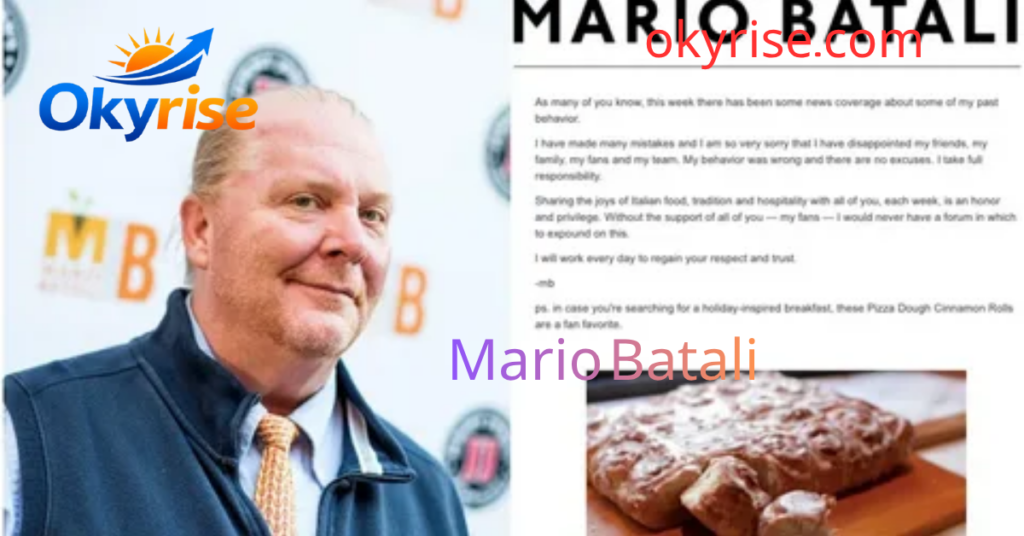
Mario Batali’s legacy remains one of the most complex in modern American cuisine. On one hand, he helped introduce authentic regional Italian cooking to millions of people through his restaurants, television programs, and bestselling cookbooks. His emphasis on fresh ingredients, handmade pasta, and traditional cooking methods inspired both professional chefs and home cooks to look beyond familiar Italian-American dishes. Many culinary professionals credit Batali with expanding public appreciation for Italy’s rich and diverse food culture.
His influence also changed the restaurant industry. Before Batali’s rise, relatively few celebrity chefs enjoyed mainstream recognition outside food enthusiasts. His success demonstrated that chefs could become educators, authors, entrepreneurs, and television personalities while maintaining credibility in professional kitchens. His restaurants set high standards for hospitality, quality, and consistency, influencing countless restaurateurs across the United States.
At the same time, Batali’s legacy cannot be separated from the misconduct allegations that ended his public career. The controversy fundamentally changed how his achievements are viewed. Today, discussions about Mario Batali often balance his culinary accomplishments against the serious accusations that damaged his reputation. Many food writers and industry professionals acknowledge his contributions to American dining while also emphasizing the importance of accountability and respectful workplace behavior.
His story illustrates that professional success alone cannot define a lasting legacy. Character, leadership, and ethical conduct are equally important. For many observers, Mario Batali represents both extraordinary culinary innovation and a reminder that personal actions can permanently reshape public perception, regardless of past accomplishments.
Lessons from Mario Batali’s Rise and Fall

The rise and fall of Mario Batali offers valuable lessons that extend far beyond the culinary world. One of the clearest is that talent and success require integrity to endure. Batali built an impressive career through years of dedication, creativity, and business leadership, yet the allegations against him overshadowed many of those achievements. His experience demonstrates that professional excellence cannot protect someone from the consequences of inappropriate behavior.
Another important lesson involves leadership. Successful business owners influence not only customers but also employees, partners, and entire workplace cultures. Leaders set expectations through both their decisions and their personal conduct. Maintaining respect, professionalism, and accountability creates healthier organizations and stronger long-term reputations.
Batali’s story also highlights the power of public trust. Reputation takes years to build but can change almost overnight. Customers, business partners, and audiences increasingly expect transparency and ethical behavior from public figures. Once trust is lost, rebuilding it becomes extraordinarily difficult, regardless of previous accomplishments.
Finally, his journey reminds aspiring chefs and entrepreneurs that sustainable success depends on more than awards, financial growth, or public recognition. Lasting influence comes from combining professional excellence with humility, respect, and responsibility. These qualities help create careers that endure beyond individual achievements or moments of fame.
Final Thoughts
Mario Batali’s career remains one of the most remarkable and controversial stories in the modern food industry. His contributions to Italian cuisine transformed how many Americans viewed regional cooking, helping popularize authentic ingredients, traditional techniques, and a deeper appreciation for Italy’s culinary heritage. Through award-winning restaurants, bestselling books, and popular television programs, he became one of the most influential chefs of his generation.
Yet his legacy is equally shaped by the misconduct allegations that brought his public career to an abrupt end. While legal proceedings produced mixed outcomes, the damage to his reputation fundamentally changed how his accomplishments are remembered. His story serves as a powerful reminder that professional achievements and personal conduct are inseparable in the eyes of the public.
Today, Mario Batali’s influence can still be seen in restaurants, cookbooks, and the many chefs inspired by his approach to Italian cuisine. At the same time, his downfall continues to shape conversations about accountability, workplace culture, and leadership within the hospitality industry. His life reflects both the extraordinary heights that talent and ambition can achieve and the lasting consequences that personal decisions can have on even the most successful careers.

Marvel Studios is a passionate content writer and website administrator with over 5 years of experience in digital publishing and SEO content creation. Specializing in celebrity blogs, Marvel Studios creates accurate, engaging, and well-researched articles covering biographies, net worth, entertainment news, and lifestyle topics. Dedicated to delivering high-quality, reader-friendly content, the goal is to provide informative articles that keep audiences engaged and coming back.

