

Modern gastronomy has evolved dramatically over the past few decades, and few chefs have influenced that transformation as profoundly as Heston Blumenthal. Known for combining science, creativity, and culinary tradition, he has redefined how people experience food. His groundbreaking techniques, imaginative recipes, and commitment to experimentation have earned worldwide recognition from chefs, critics, and food enthusiasts alike.
From the world-famous Fat Duck restaurant to bestselling books and popular television programs, Blumenthal has consistently challenged conventional cooking methods. His remarkable journey demonstrates that curiosity, innovation, and relentless dedication can reshape an entire industry while inspiring future generations of chefs to think beyond traditional recipes.
Who Is Heston Blumenthal?

Heston Blumenthal is one of Britain’s most celebrated chefs, restaurateurs, authors, and television personalities. Unlike many famous chefs who received formal culinary training, Blumenthal taught himself through books, experimentation, and countless hours in the kitchen. His unconventional path allowed him to develop fresh ideas without being limited by traditional cooking rules. That independent approach eventually made him one of the pioneers of modern gastronomy.
He became internationally recognized through his award-winning restaurant, The Fat Duck, located in Bray, Berkshire, England. The restaurant gained worldwide attention for serving imaginative dishes that combined science with storytelling. Rather than simply preparing meals, Blumenthal created complete dining experiences that engaged taste, smell, sight, sound, and even memory. His work transformed expectations of fine dining and introduced millions of people to a completely different way of thinking about food.
Today, he remains one of the most influential figures in global cuisine. His contributions extend beyond restaurants into books, documentaries, television series, and educational projects that continue inspiring both professional chefs and home cooks.
Read More: Rolonda Watts: The Journey of a Multi-Talented Entertainer
Early Life and Childhood
Heston Marc Blumenthal was born on May 27, 1966, in London, England. Although food eventually became his life’s passion, his early years looked much like those of many other children. He enjoyed learning, exploring new ideas, and asking questions about how things worked. That natural curiosity would later become one of the defining characteristics of his cooking philosophy.
A family trip to France during his teenage years changed everything. While visiting the renowned L’Oustau de Baumanière restaurant, Blumenthal experienced fine dining for the first time. Every detail fascinated him, from the presentation and aromas to the careful balance of flavors. The experience left a lasting impression and sparked an obsession with understanding the science and artistry behind exceptional cooking.
Instead of immediately enrolling in culinary school, he pursued different jobs while teaching himself cooking during his spare time. He studied classic French recipes, experimented with ingredients, and learned through trial and error. This self-directed education gave him freedom to question established techniques and eventually develop his own innovative cooking style.
Read More: William Osborne-Young: The Life and Legacy of Geraldine Somerville’s Husband
Quick Biography
| Detail | Information |
| Full Name | Heston Marc Blumenthal |
| Date of Birth | May 27, 1966 |
| Birthplace | London, England |
| Nationality | British |
| Profession | Chef, Restaurateur, Author, Television Personality |
| Famous Restaurant | The Fat Duck |
| Known For | Molecular Gastronomy, Culinary Innovation |
| Years Active | 1980s–Present |
Discovering a Passion for Cooking

Many successful chefs describe cooking as a lifelong dream, yet Heston Blumenthal discovered his calling through curiosity rather than formal planning. After returning from France, he became fascinated with understanding why certain cooking techniques worked better than others. He spent countless evenings reading classic cookbooks, studying food science, and recreating recipes in his own kitchen.
Rather than memorizing instructions, Blumenthal wanted to understand the reasons behind every cooking process. He questioned how heat changed ingredients, why flavors complemented one another, and how texture influenced the dining experience. This scientific mindset separated him from many traditional chefs. Instead of accepting established methods, he constantly searched for better solutions.
Learning independently also taught him resilience. Many early experiments failed, but each mistake became another lesson. He refined recipes repeatedly until they achieved the balance he envisioned. Over time, this commitment to experimentation evolved into the innovative cooking philosophy that later earned worldwide recognition. His journey demonstrates that curiosity, patience, and determination often become the most valuable ingredients for lasting success.
The Birth of The Fat Duck
In 1995, Heston Blumenthal opened The Fat Duck in the small English village of Bray. At first, the restaurant operated as a modest neighborhood establishment serving French-inspired dishes. However, Blumenthal’s relentless curiosity soon pushed him beyond traditional cuisine. He began experimenting with temperature, texture, aroma, and presentation, gradually transforming the restaurant into one of the world’s most innovative dining destinations.
Every new menu reflected months of research and testing. Instead of simply creating delicious meals, Blumenthal designed experiences that challenged guests’ expectations. Dishes combined familiar flavors with surprising techniques, encouraging diners to think differently about food. Meals often included playful elements that triggered memories, emotions, and curiosity alongside exceptional taste.
The restaurant’s creativity quickly attracted international attention. Food critics praised its originality while prestigious culinary organizations awarded it numerous honors. Eventually, The Fat Duck earned three Michelin stars and was recognized among the finest restaurants in the world. Its remarkable success established Heston Blumenthal as one of modern cuisine’s greatest innovators and marked the beginning of an extraordinary global culinary career.
How Heston Blumenthal Revolutionized Modern Cuisine

Heston Blumenthal didn’t simply create new recipes. He completely changed how chefs think about food. While many cooks focused on perfecting traditional techniques, Blumenthal explored the science behind every ingredient and cooking process. He believed that understanding chemistry, physics, and human senses could unlock entirely new dining experiences. This mindset helped him move beyond conventional cooking and create dishes that surprised both guests and professional chefs.
His philosophy encouraged experimentation instead of routine. He carefully tested temperatures, textures, aromas, and cooking times to discover how each element affected flavor. For example, he investigated why certain ingredients tasted better together and how sound or memory could influence the way people experienced food. These ideas were unusual when he introduced them, yet they eventually became influential across the global restaurant industry.
By combining scientific research with artistic creativity, Blumenthal inspired chefs to question traditional methods without abandoning culinary heritage. His work proved that innovation doesn’t replace tradition. Instead, it builds upon it. Today, many of the techniques used in leading restaurants around the world reflect ideas that Blumenthal helped popularize through years of careful experimentation.
The Rise of Molecular Gastronomy
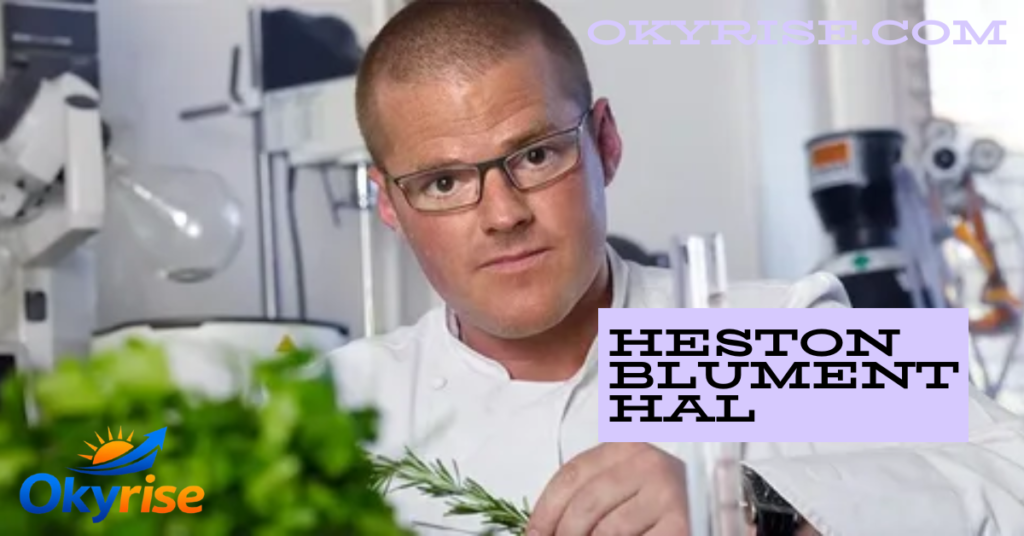
Although Heston Blumenthal is often associated with molecular gastronomy, he has explained that his cooking focuses more on understanding food than following a specific movement. Even so, his name became closely connected with this revolutionary style of cooking because of his willingness to apply scientific principles in the kitchen. Molecular gastronomy encouraged chefs to examine the physical and chemical changes that occur during cooking while developing creative new techniques.
Rather than treating recipes as fixed instructions, Blumenthal viewed them as starting points for discovery. He experimented with liquid nitrogen, precise temperature control, vacuum cooking, and innovative presentation methods. These techniques allowed him to create textures and flavors that diners had never experienced before. His research also helped improve traditional recipes by making them more consistent and flavorful.
The popularity of molecular gastronomy transformed fine dining worldwide. Restaurants across Europe, North America, Asia, and Australia began exploring scientific cooking methods inspired by pioneers like Blumenthal. Although not every chef adopted the same techniques, many embraced his spirit of curiosity and experimentation. As a result, modern gastronomy became more creative, research-driven, and open to innovation than ever before.
Signature Dishes That Changed Fine Dining
Every legendary chef creates memorable dishes, yet Heston Blumenthal became famous for designing meals that engaged all five senses. One of his most iconic creations is Snail Porridge, a surprising combination of creamy oats, garlic, parsley, and snails. While the ingredients initially sound unusual together, the carefully balanced flavors earned widespread praise from food critics around the world.
Another unforgettable creation is Bacon and Egg Ice Cream, which challenged diners’ expectations by transforming familiar breakfast flavors into an elegant dessert. Rather than creating unusual combinations simply for attention, Blumenthal carefully studied why certain flavor pairings worked scientifically. Every recipe reflected extensive research alongside artistic imagination.
Perhaps his most famous presentation is Sound of the Sea, a dish served with a seashell containing headphones that play ocean sounds while guests eat seafood arranged to resemble a beach. Research suggests that sound influences taste perception, and Blumenthal used this knowledge to create an immersive dining experience. These groundbreaking dishes demonstrated that food could tell stories, trigger memories, and create emotions beyond satisfying hunger.
Television Career and Global Recognition
As Heston Blumenthal’s reputation grew, television introduced his ideas to audiences far beyond fine dining restaurants. His documentaries and cooking programs explained complex culinary science using simple language that anyone could understand. Instead of presenting himself as an unreachable expert, he invited viewers into his creative process by showing both successful experiments and occasional failures.
Programs such as Heston’s Feasts, In Search of Perfection, and Heston’s Fantastical Food became popular because they combined education with entertainment. Viewers watched him recreate historical banquets, improve classic recipes, and build extraordinary edible creations that captured the imagination of audiences worldwide. His enthusiasm for discovery made science feel exciting rather than intimidating.
Television also expanded his influence beyond professional chefs. Home cooks began experimenting with new techniques after watching his demonstrations. Students developed greater interest in food science, while aspiring chefs found inspiration in his unconventional career path. By sharing knowledge openly, Blumenthal helped make advanced culinary concepts more accessible to millions of viewers across different countries.
The Science Behind His Cooking Philosophy
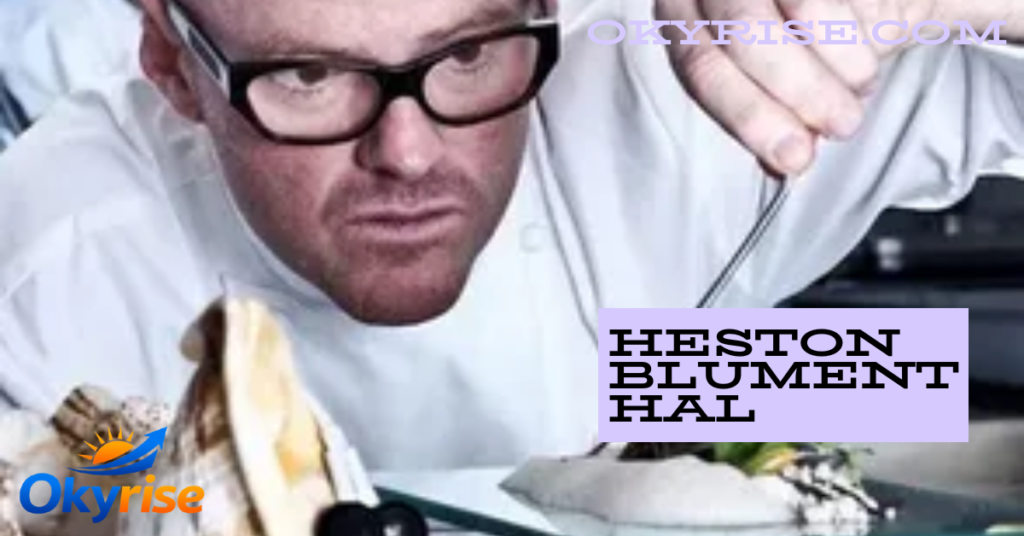
At the heart of Heston Blumenthal’s success lies an unwavering belief that science and creativity belong together. He has often explained that cooking is both an art and a science. Great recipes require imagination, but consistent results depend upon understanding ingredients and techniques. This balanced philosophy distinguishes his work from chefs who focus exclusively on either tradition or experimentation.
Blumenthal collaborated with scientists, psychologists, historians, and nutrition experts to deepen his understanding of food. These partnerships allowed him to explore subjects ranging from aroma perception to the psychology of taste. Instead of limiting himself to culinary textbooks, he researched multiple disciplines to improve every aspect of the dining experience.
His scientific curiosity continues influencing restaurants, culinary schools, and food researchers worldwide. Today, chefs increasingly study chemistry, sensory perception, and food engineering alongside traditional cooking techniques. Much of this broader educational approach reflects the example Blumenthal established throughout his remarkable career. By encouraging chefs to ask questions rather than simply follow recipes, he permanently transformed the way modern cuisine continues to evolve.
Awards and Global Recognition
Heston Blumenthal’s innovative approach to cooking has earned him some of the highest honors in the culinary world. While awards were never his primary motivation, they reflect the enormous impact he has had on modern gastronomy. His restaurant, The Fat Duck, received the prestigious three Michelin stars, a distinction reserved for restaurants offering exceptional cuisine worth a special journey. This achievement placed Blumenthal among the world’s elite chefs and confirmed that creativity and scientific exploration could coexist with outstanding culinary excellence.
The Fat Duck’s reputation continued to grow as international rankings consistently listed it among the best restaurants on the planet. In 2005, it reached the number one position in The World’s 50 Best Restaurants, an accomplishment that attracted food lovers from every corner of the globe. Critics praised not only the restaurant’s remarkable dishes but also its immersive dining experience that combined storytelling, innovation, and precision.
Beyond restaurant awards, Blumenthal has received honorary degrees, industry recognition, and invitations to speak at international culinary conferences. His influence reaches far beyond his own kitchens because chefs worldwide study his techniques and philosophies. These achievements demonstrate that his contributions have permanently shaped fine dining and inspired future generations of culinary professionals.
Books That Inspired Chefs and Home Cooks

Heston Blumenthal has shared his knowledge through several bestselling books that explore both recipes and the science behind cooking. Rather than publishing traditional cookbooks filled only with instructions, he explains why techniques work and encourages readers to think creatively in the kitchen. His writing reflects the same curiosity that made him famous as a chef.
Books such as Family Food, The Fat Duck Cookbook, Historic Heston, and Heston Blumenthal at Home have become valuable resources for professional chefs and passionate home cooks alike. Each publication combines practical recipes with fascinating stories about ingredients, culinary history, and scientific discovery. Readers gain a deeper appreciation for cooking while learning techniques they can apply in their own kitchens.
His books also reveal another important aspect of his personality. Blumenthal believes knowledge should be shared rather than guarded. By explaining his methods openly, he has encouraged countless readers to experiment confidently instead of fearing mistakes. This educational approach has expanded his influence beyond restaurant guests and television audiences to millions of people who enjoy cooking at home.
Expanding His Restaurant Empire
Although The Fat Duck remains his most famous restaurant, Heston Blumenthal has successfully expanded his culinary vision through several other acclaimed establishments. Each restaurant reflects a different aspect of his creativity while maintaining the same commitment to quality, innovation, and exceptional guest experiences. Rather than copying one successful formula, he developed unique concepts that celebrate different culinary traditions.
Among his notable ventures is Dinner by Heston Blumenthal, located in London. Unlike The Fat Duck’s futuristic style, Dinner explores historic British recipes dating back hundreds of years. Blumenthal researched ancient cookbooks and historical records before adapting forgotten dishes for modern diners. This project demonstrated his deep respect for culinary history while showcasing his ability to reinterpret traditional recipes.
He has also opened restaurants in international destinations, bringing his distinctive approach to audiences outside the United Kingdom. Every new venture reinforces his reputation as a chef who continually pushes creative boundaries while respecting cultural traditions. His expanding restaurant portfolio highlights his ability to balance innovation with timeless culinary craftsmanship.
Influence on the World’s Best Chefs
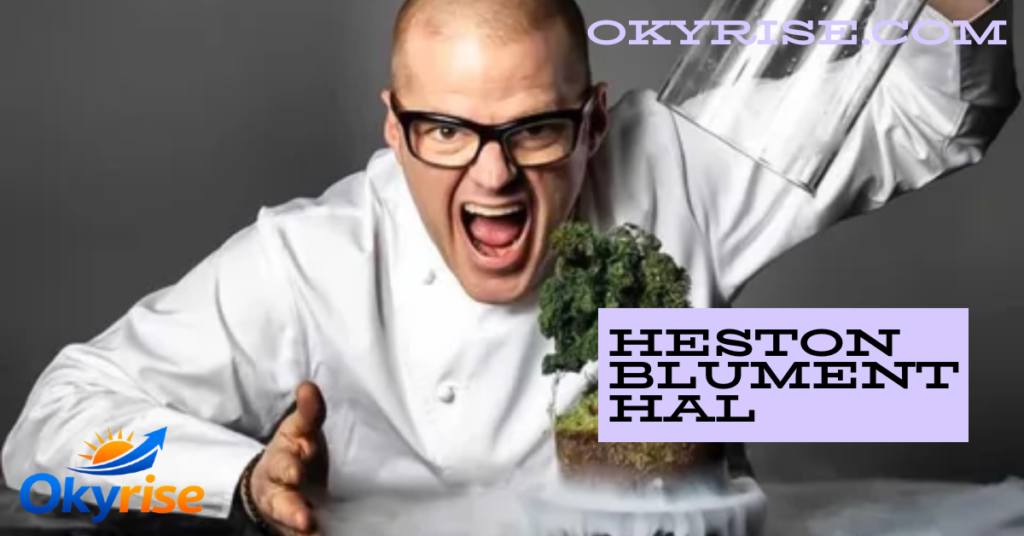
Few chefs have influenced modern cuisine as profoundly as Heston Blumenthal. His willingness to question established techniques encouraged an entire generation of culinary professionals to become more curious and experimental. Many of today’s leading chefs openly acknowledge his impact on their own careers, citing his research, creativity, and fearless approach to innovation as major sources of inspiration.
His influence extends beyond molecular gastronomy. Blumenthal demonstrated that chefs could collaborate with scientists, historians, psychologists, designers, and artists to create richer dining experiences. This interdisciplinary approach has become increasingly common in leading restaurants worldwide. Culinary schools also emphasize food science more than ever before, reflecting ideas that Blumenthal helped popularize throughout his career.
Perhaps his greatest contribution lies in changing the mindset of professional cooking. Instead of asking, “How has this always been done?” many chefs now ask, “Is there a better way?” That shift toward continuous improvement continues shaping restaurants across the globe. His legacy lives on not only through his own dishes but also through the countless chefs inspired by his example.
Personal Life and Overcoming Challenges
Behind every successful career lies a story filled with personal challenges, and Heston Blumenthal’s journey is no exception. Despite his international fame, he has faced demanding workloads, business pressures, and personal difficulties while managing multiple restaurants and television projects. Throughout these experiences, his passion for cooking remained a constant source of motivation.
In recent years, Blumenthal has spoken openly about living with bipolar disorder. By discussing his mental health publicly, he has helped reduce stigma while encouraging others to seek understanding and support. His honesty has been widely respected because it highlights the importance of well-being alongside professional success.
Outside the kitchen, Blumenthal enjoys studying history, psychology, science, and human behavior. These interests continue influencing his culinary creativity and demonstrate that great chefs often draw inspiration from many different fields. His personal story reminds readers that resilience, curiosity, and openness can help overcome obstacles while creating opportunities for continued growth and innovation.
Heston Blumenthal’s Lasting Legacy
Heston Blumenthal’s influence reaches far beyond the kitchens of his award-winning restaurants. He has changed the way chefs, food scientists, and diners think about cooking. Before his rise to international fame, many people viewed recipes as fixed instructions that should rarely be questioned. Blumenthal challenged that mindset by encouraging experimentation, curiosity, and continuous learning. His work proved that cooking is both an art and a science, where imagination and research work together to create unforgettable experiences.
His greatest legacy is not a single recipe or restaurant but a philosophy that inspires chefs to ask questions. Why do certain flavors work together? How do sound, aroma, texture, and memory affect taste? These questions have encouraged culinary professionals to explore new possibilities while respecting traditional techniques. As a result, restaurants worldwide now embrace creativity in ways that were once considered unconventional.
The next generation of chefs continues building on the foundation Blumenthal established. Culinary schools include food science in their programs, restaurants experiment with sensory dining, and home cooks feel more confident trying innovative techniques. His influence remains visible throughout modern gastronomy, ensuring that his contributions will continue shaping the culinary world for decades to come.
Career Timeline
| Year | Career Milestone |
| 1966 | Born in London, England |
| Early 1980s | Developed a passion for cooking after visiting France |
| 1995 | Opened The Fat Duck in Bray, Berkshire |
| 1999 | Earned the restaurant’s first Michelin star |
| 2004 | Achieved the prestigious three Michelin stars |
| 2005 | The Fat Duck named the World’s Best Restaurant |
| 2000s | Published bestselling cookbooks and appeared on television |
| 2010s–Present | Expanded restaurant ventures and continued culinary innovation |
Why Heston Blumenthal Continues to Inspire
Many famous chefs become known for signature dishes, yet Heston Blumenthal inspires people because of the way he approaches learning. His career demonstrates that curiosity can become one of the most valuable ingredients for success. Rather than accepting established methods, he continuously searched for better techniques, deeper understanding, and more creative solutions. This mindset has encouraged countless aspiring chefs to remain open-minded throughout their careers.
Another reason he continues to inspire is his willingness to share knowledge. Through books, television programs, interviews, and public appearances, Blumenthal has made advanced culinary ideas accessible to audiences of all skill levels. Professional chefs appreciate the scientific depth of his work, while home cooks enjoy his practical explanations and enthusiasm for experimentation.
His story also reminds people that formal training is not the only path to excellence. Although he never attended culinary school, he achieved international recognition through self-education, persistence, and relentless curiosity. That message resonates with anyone pursuing ambitious goals, regardless of their background or profession.
Final Thoughts
Heston Blumenthal has earned his place among the most influential chefs in culinary history. From opening The Fat Duck to pioneering innovative cooking techniques, he has continually expanded the boundaries of what food can become. His remarkable career combines science, creativity, history, psychology, and storytelling into a unique philosophy that has transformed fine dining around the world.
Beyond his restaurants, Blumenthal has educated millions through books, television programs, and public discussions about food. His willingness to experiment has inspired chefs to think differently while encouraging diners to appreciate the deeper connections between taste, memory, and emotion. Every achievement reflects his belief that great cooking begins with curiosity and grows through continuous discovery.
Today, his influence extends far beyond the United Kingdom. Restaurants across the globe continue adopting ideas that he helped introduce, proving that innovation can respect tradition while creating exciting new possibilities. Heston Blumenthal’s journey demonstrates that remarkable achievements often begin with a simple question, a willingness to learn, and the courage to challenge ordinary thinking.
Frequently Asked Questions
Who is Heston Blumenthal?
Heston Blumenthal is a British chef, restaurateur, author, and television personality best known for founding The Fat Duck and pioneering innovative techniques in modern gastronomy.
Why is Heston Blumenthal famous?
He is famous for transforming fine dining through scientific cooking methods, creative presentation, sensory dining experiences, and groundbreaking culinary research.
Does Heston Blumenthal have formal culinary training?
No. Heston Blumenthal is a self-taught chef who developed his skills through extensive reading, experimentation, and practical kitchen experience rather than attending culinary school.
What is The Fat Duck known for?
The Fat Duck is known for its imaginative tasting menus, sensory dining experiences, and innovative dishes that combine science, creativity, and exceptional culinary craftsmanship.
Has Heston Blumenthal written cookbooks?
Yes. He has published several bestselling cookbooks, including The Fat Duck Cookbook, Family Food, Historic Heston, and Heston Blumenthal at Home.
What is Heston Blumenthal’s biggest contribution to modern cuisine?
His greatest contribution is encouraging chefs to combine scientific research with creativity, transforming how restaurants approach flavor, texture, presentation, and the overall dining experience.
Article Summary
Heston Blumenthal transformed modern cuisine by combining science, creativity, and culinary tradition in ways that changed fine dining forever. From his self-taught beginnings to building the world-renowned Fat Duck, he demonstrated that curiosity and experimentation can redefine an entire profession. His restaurants, books, and television programs continue inspiring chefs and food enthusiasts around the globe.
His legacy reaches beyond recipes and awards. By encouraging chefs to question traditional methods and embrace innovation, Blumenthal permanently influenced modern gastronomy. His remarkable journey proves that passion, continuous learning, and fearless creativity can leave a lasting impact on both the culinary world and future generations of innovators.
Meta Description (140 characters):
Discover Heston Blumenthal’s inspiring journey, innovative cooking style, The Fat Duck, awards, books, and lasting impact on modern cuisine.

Marvel Studios is a passionate content writer and website administrator with over 5 years of experience in digital publishing and SEO content creation. Specializing in celebrity blogs, Marvel Studios creates accurate, engaging, and well-researched articles covering biographies, net worth, entertainment news, and lifestyle topics. Dedicated to delivering high-quality, reader-friendly content, the goal is to provide informative articles that keep audiences engaged and coming back.

